
Why Material Choice Can Make or Break Your Cosplay
Choosing a character to portray is easy; choosing the right fabric to bring them to life is where the real work begins. In 2026, the quality of cosplay materials has reached a cinematic level, allowing fans to achieve "screen-accurate" looks from their own homes.
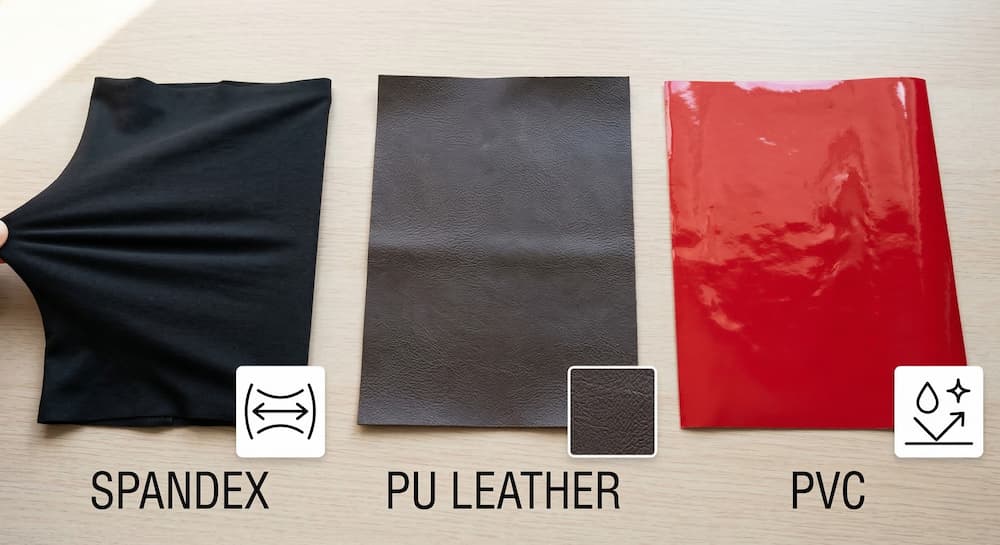
However, the wrong material can lead to a costume that is either uncomfortable, fragile, or—worst of all—looks like "cheap plastic." At Mxcostume, we’ve spent years perfecting the balance between aesthetics and wearability. Here is our expert breakdown of the three "big players" in the cosplay world: Spandex, PU Leather, and PVC.
1. Spandex (Lycra/Elastane): The Superhero’s Best Friend
If you are aiming to be the next Spider-Man, Flash, or an Overwatch hero, Spandex is your go-to material.
- The Science: It is a synthetic fiber known for its exceptional elasticity. In high-quality cosplay, we use 4-way stretch Spandex, which allows movement in every direction without losing shape.
- Pros: Highly breathable, allows for dynamic poses, and supports high-definition sublimation printing (which captures every muscle shade and honeycomb pattern).
- Cons: It can be thin. Look for "thickened" or "double-knit" Spandex to avoid transparency and ensure durability.
- Care Tip: Always hand wash in cold water. Never put Spandex in the dryer, as heat breaks down the elastic fibers!
2. PU Leather (Faux Leather): The Armor of Heroes
From Batman’s tactical suit to the intricate jackets of Genshin Impact characters, PU (Polyurethane) leather provides a rugged, high-end look without the weight or cost of genuine leather.
- The Science: PU leather is a vegan-friendly material that mimics the texture and sheen of real leather.
- Pros: It holds its shape beautifully and provides a "premium" matte or semi-gloss finish. It’s also much easier to clean than real leather.
- Cons: It doesn't breathe well. If you’re attending a summer convention, make sure your PU leather costume has a cotton lining or discrete ventilation.
- Care Tip: Do not fold PU leather tightly, as it can develop permanent creases. Hang it on a padded hanger in a cool, dry place.
3. PVC (Polyvinyl Chloride): For High-Gloss and Hard Props
PVC is most commonly used for high-gloss "vinyl" looks or rigid accessories like masks and armor pieces.
- The Science: A high-strength thermoplastic. In costumes, it’s used for that "liquid" shiny look. In props, it provides a hard, durable shell.
- Pros: Unbeatable for "wet-look" aesthetics or sturdy, lightweight masks. It is waterproof and extremely durable.
- Cons: Zero stretch. If you are buying a PVC bodysuit, accuracy in measurements is 100% critical because the fabric will not "give."
- Care Tip: Use a specialized silicone-based polish to keep PVC shiny and prevent it from becoming "tacky" or sticky over time.
Quick Comparison Guide
| Feature | Spandex | PU Leather | PVC (Hard/Soft) |
| Stretch | High (4-way) | Low to None | None |
| Breathability | High | Low | Very Low |
| Durability | Medium | High | Very High |
| Best For | Bodysuits, Base Layers | Armor, Jackets, Belts | Masks, High-Gloss Suits |
Conclusion: Which should you choose?
The best cosplays often use a hybrid approach. A Spandex base for comfort, PU leather overlays for texture, and PVC accents for that "wow" factor.
When shopping at Mxcostume, we always list the materials used in the "Product Specifications" section so you know exactly what you’re getting. Still undecided? Our team is always here to help you pick the perfect fabric for your transformation.


